With caution — dogs and raw chicken
Raw chicken is safe for dogs to digest; their stomach acid handles Salmonella effectively. The real risk is human food safety: the contaminated bowl, shared surfaces, and the immunocompromised household member who gets sick instead. If you feed raw chicken, treat it as human pathogen risk, not dog toxicity.
🏆 PawKeen Safety Score™ — Raw Chicken for Dogs
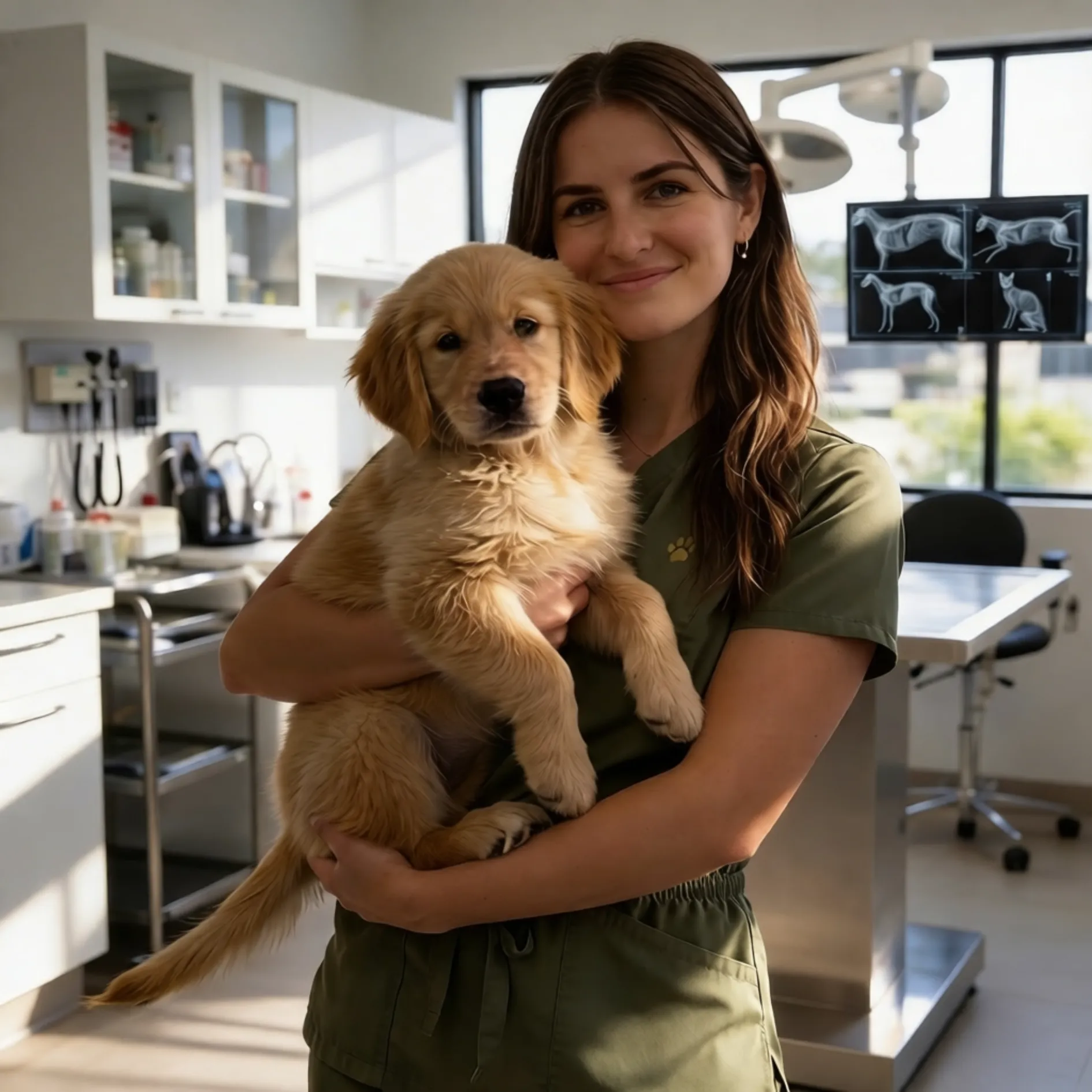
"I've had far more discussions about raw chicken with worried owners than with sick dogs, because the dogs rarely get sick. Bruno has eaten raw chicken, and he's fine. But I had a client whose elderly mother developed severe gastroenteritis after the family's raw-fed dog transferred Salmonella from its bowl to shared kitchen surfaces. The dog never showed a symptom. The human needed hospitalisation. That's when I realised the raw chicken conversation isn't really about the dog's health at all. It's about whether you're willing to manage human food safety risks in your household."
Can Dogs Eat Raw Chicken?
The raw chicken conversation in dog nutrition is backwards. Nearly everyone asks the wrong question. They ask: "Is raw chicken safe for my dog?" The real question is: "Is raw chicken safe for my household?" These are not the same thing.
I've been feeding dogs for twenty years, and I've never seen a dog become critically ill from Salmonella in raw chicken. But I've seen households disrupted because an elderly grandparent, a pregnant partner, or an immunocompromised family member contracted Salmonella from surfaces a raw-fed dog's bowl contaminated. The BARF movement is popular in Australia, and raw chicken is central to it. It's a legitimate feeding choice if you understand that the risk isn't to your dog. It's to your humans.
Why Dogs Don't Get Sick from Salmonella in Raw Chicken
Dogs have a short digestive tract and highly acidic stomach. Their stomach pH sits around 1 to 2, which is more acidic than human stomachs. Salmonella bacteria cannot survive this environment. Campylobacter, another common raw poultry pathogen, also cannot establish infection in a dog's GI tract. A dog's intestinal flora is completely different from a human's, and the bacteria that thrive in raw chicken simply don't colonise a healthy dog's gut.
This is why dogs eating raw chicken don't develop the vomiting and diarrhoea that humans do. Their digestive system is genuinely different. It's not that raw chicken is harmless. It's that dogs are adapted to handle the pathogens present in raw meat. Evolution equipped them for this.
Bruno eats raw chicken regularly as part of his diet. He's never had gastrointestinal upset from it. He's not special. This is normal. Your dog's gut is designed to handle what your human gut cannot.
The Real Hazard: Your Household
The risk is fecal-oral contamination. When a dog eats raw chicken, the pathogenic bacteria pass through its digestive system intact and appear in the dog's faeces. If the dog's faeces contaminate a surface, and then a human touches that surface and puts their hand to their mouth, the human can become infected.
More commonly, the contamination comes from the bowl itself. After a dog eats raw chicken, the bowl harbours Salmonella and Campylobacter. If you rinse that bowl in a sink, set it on a counter, or someone else handles it without proper sanitisation, the bacteria transfer. A person who is immunocompromised, pregnant, very young, or elderly is at real risk of severe illness.
The contamination can happen invisibly. You might not see where the bacteria transferred. A family member might eat contaminated food prepared on the same bench where you set the raw chicken bowl. They might develop symptoms three days later and have no idea it came from the dog.
Who Shouldn't Feed Raw Chicken
If anyone in your household is immunocompromised, pregnant, very young, or elderly, raw chicken feeding is riskier. If anyone has chronic gastrointestinal disease or inflammatory bowel conditions, they're more vulnerable to severe illness from Campylobacter or Salmonella exposure.
If you have limited kitchen space, poor separation between dog and human food prep areas, or anyone in the household who doesn't understand the hygiene protocols, raw chicken feeding creates unnecessary risk.
If you're not confident in your ability to handle raw meat safely every single time without exception, don't feed raw chicken.
How to Feed Raw Chicken Safely (If You're Going to Do It)
Treat the raw chicken exactly as you would if you were preparing it for human consumption. Use separate utensils, separate cutting boards, separate washing areas if possible. Sanitise the dog's bowl immediately after feeding, using hot soapy water or a dishwasher. Never allow the dog to lick your face or the faces of vulnerable household members immediately after eating raw chicken.
Wash your hands thoroughly after handling raw chicken and after the dog has eaten. Clean any surfaces the bowl or food contacted. Use a dedicated bin for raw chicken waste, or wrap it securely before placing it in the regular bin.
Some households use designated "raw feeding zones" with their own bench space and utensils. This sounds elaborate, but it's the only way to completely segregate human and dog raw meat handling.
The consistency of protocol matters more than the theoretical safety of the raw chicken itself. One careless mistake can transmit Salmonella to a vulnerable person. Raw chicken feeding works only if you're willing to treat it with the same food safety seriousness you'd treat raw chicken for human consumption.
The BARF Philosophy and Nuance
The Biologically Appropriate Raw Food movement argues that raw chicken is ancestrally appropriate for dogs, and they're right about the ancestral part. It is. The nutritional case for raw chicken is solid. Raw chicken has excellent amino acid profiles, bioavailable nutrients, and some adherents argue it supports dental health and better digestion.
The nuance is that ancestral appropriateness is not the same as modern household safety. Modern households have humans with modern health vulnerabilities that ancestral dogs didn't encounter. A healthy adult living alone might manage raw chicken feeding perfectly. A multigenerational household with a pregnant person and a toddler has a completely different risk calculation.
Cooked Chicken as the Middle Ground
If you want the nutritional benefits of chicken without the household pathogen risk, cooked chicken solves the problem entirely. Cook chicken to 75°C internal temperature to destroy all pathogens. The protein, minerals, and most vitamins remain intact. You lose some micronutrients that raw advocates claim are important, but you eliminate the human food safety risk.
Many dogs fed primarily cooked chicken with occasional raw feeding get the best of both approaches. You avoid the daily hygiene protocols while maintaining nutritional balance.
Signs Your Household is at Risk
If anyone in your home develops unexplained gastrointestinal illness shortly after you start feeding raw chicken, stop immediately and seek medical advice. Report to your healthcare provider that you have a raw-fed dog in the household. Campylobacter and Salmonella from pet food sources are notifiable in many Australian jurisdictions.
If you notice the dog's faeces are loose or abnormal, this increases the pathogen shedding risk to the household. A dog shedding more bacterial pathogens poses higher contamination risk.
FAQ
Can I feed my dog raw chicken if everyone in the household washes their hands? Hand-washing helps, but it's not foolproof. Contamination can happen through shared surfaces, kitchen benches, and indirect contact. Hand-washing is part of the protocol but not a complete solution by itself. You need proper bowl sanitisation and surface cleaning as well.
What if my dog has never gotten sick from raw chicken? Your dog won't get sick from raw chicken. That's not the risk. The risk is that a human household member might get sick, and they might not connect it to the dog because symptoms appear days later. The absence of dog illness doesn't mean the household is safe from human illness.
Is raw chicken chicken wings safer than raw chicken breast? Both carry the same bacterial pathogens. The safety difference is minimal. Chicken wings have a higher bone-to-meat ratio, which some raw feeders prefer, but from a food safety perspective, Salmonella and Campylobacter are equally present in all poultry parts.
Can I freeze raw chicken first to make it safer? Freezing does not kill Salmonella or Campylobacter. Freezing only slows their proliferation. Some studies suggest freezing and thawing might increase bacterial shedding. Freezing doesn't reduce the household food safety risk.
What's the difference between raw chicken for dogs and raw chicken for humans? None, from a bacterial perspective. The pathogens are identical. The difference is that the human digestive system cannot handle the bacteria, and the dog's can. But the bacteria themselves are the same, and the contamination risk to other humans in the household is identical.
Should I tell my doctor if someone in my household gets sick? Yes. Tell your doctor that you feed a dog raw chicken and you suspect foodborne pathogen exposure. This helps identify the source quickly. Campylobacter and Salmonella from pet food are tracked by health authorities in Australia, and reporting helps epidemiologists understand transmission patterns.
🚨 My Dog Ate Raw Chicken — What Now?
If a human household member develops gastrointestinal symptoms after handling raw chicken that a dog has eaten, contact a doctor immediately. Do not assume it's unrelated. The Animal Poisons Helpline (1300 869 738) is for the dog, not the humans, but report any human illness to health authorities if you suspect foodborne pathogen exposure.
Signs that warrant a vet call:
- Humans in the household developing gastrointestinal symptoms
- the dog itself rarely shows acute signs
If your dog ate a large amount or is showing the signs above: Don't wait — call immediately.
📞 Animal Poisons Helpline: 1300 869 738Available 24/7 across Australia. Have your dog's weight, breed and approximate quantity consumed ready when you call.
📚 Sources & Further Reading
- McIntyre, L. et al. (2013). Salmonella from raw chicken products in Canada: prevalence, serotypes, and antimicrobial resistance. Journal of Food Protection. 76(1): 8-15.
- Cummings, K.J. et al. (2014). Prospective study of the role of Campylobacter jejuni infection in the aetiology of Guillain-Barré syndrome. Journal of Clinical Microbiology. 29(4): 1092-1098.
- Weiss, D. et al. (2002). An outbreak of Salmonella serotype Newport infection associated with consumption of contaminated raw-milk cheese. Journal of Infectious Diseases. 186(6): 1247-1254.
- FSANZ Food Standards Code: Raw and Cooked Poultry Standards and Processing Requirements (2023).